Learning to Play the Violin
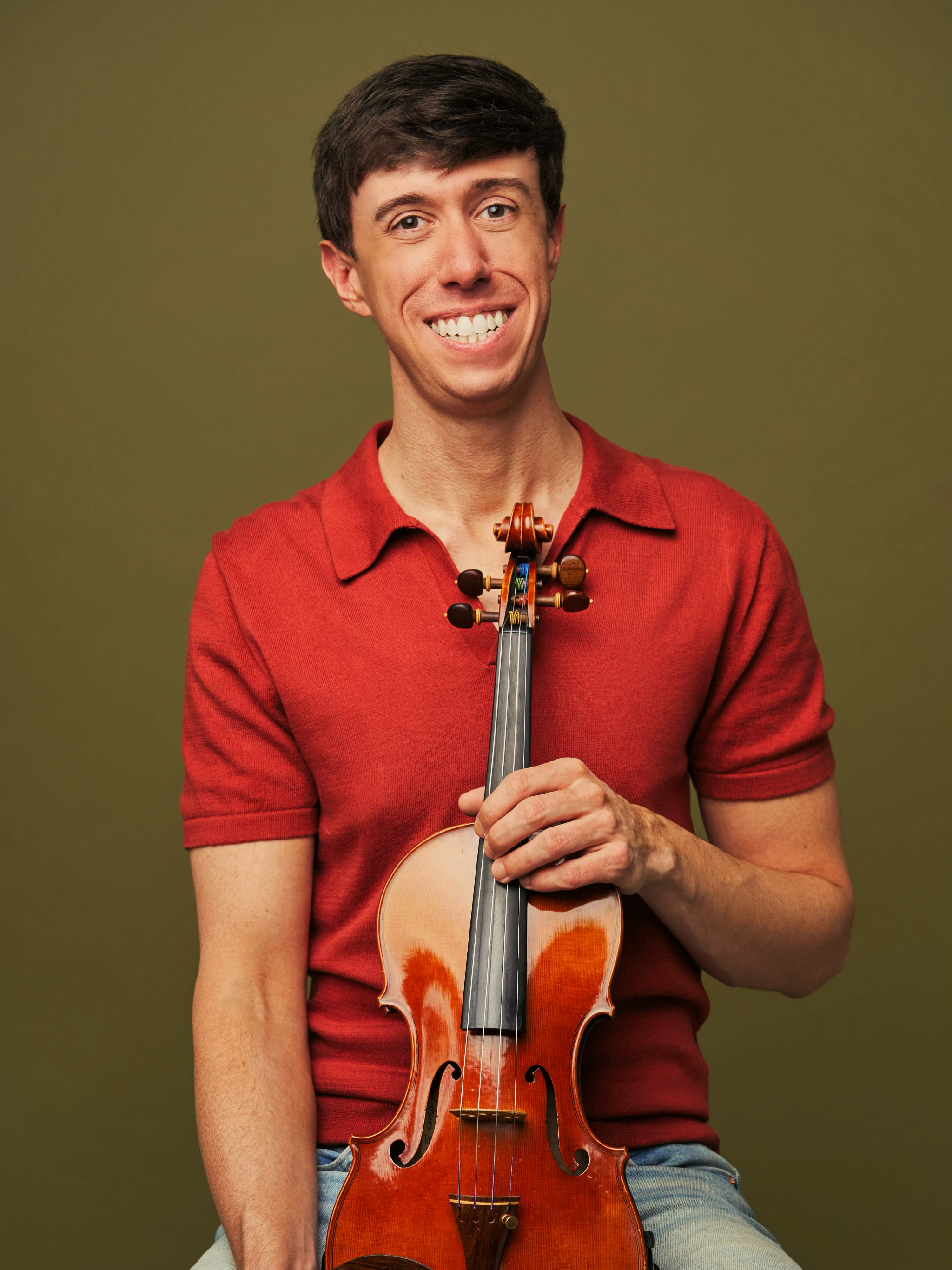
For more than fifteen years, John has guided students of all ages in building strong technical foundations, musical sensitivity, and confidence through violin study. He maintains a private studio in Washington, DC, teaching from his home studio in Kalorama as well as with Mount Pleasant Talent Education.
He previously served on the violin faculty at the Levine School of Music and was a faculty member of the East Carolina University String Project, where he taught violin, viola, and string orchestra.
John is a registered teacher with the Suzuki Association of the Americas and has completed teacher training in all ten Suzuki violin books with renowned pedagogue Joanne Bath. He teaches both Suzuki and traditional violin methods, as well as viola, and works with students ranging in age five through adult learners.
Students in his studio study a broad range of repertoire, including Suzuki literature, etudes, and standard violin and concerto repertoire suited to their level and interests. Studio recitals and performance opportunities throughout the year give students the chance to share their work and grow in confidence.
My Approach
John believes that every student is unique and learns in their own way. Lessons are thoughtfully tailored to each student’s personality, strengths, and goals rather than following a single rigid path.
When beginning with a new family, he takes time to understand whether lessons are intended primarily for enrichment or for long-term academic and conservatory preparation, and he shapes the course of study accordingly.
A typical lesson includes technical development through scales and exercises, repertoire study, listening work, and attention to tone production and musical expression. Younger students build strong foundations through the Suzuki method, while older students gradually develop independence, analytical understanding, and artistic ownership of the music they play.
Above all, John aims to help students develop not only skill on the instrument, but also discipline, curiosity, resilience, and a lifelong connection to music.
Suzuki Method
The Suzuki Method is grounded in the belief that musical ability can be developed in every child through immersion, listening, and consistent encouragement, much like language acquisition. Students begin by listening extensively to the repertoire before learning to read music. Early lessons emphasize posture, ease of movement, tone production, and careful ear training.
In the early years, parents attend lessons and serve as practice partners at home, helping establish structure and consistency. Through repetition and listening, students internalize the sound and shape of the music, building strong memory and confidence. As students mature, note reading and music theory are gradually integrated, allowing them to become well-rounded, independent musicians.
Traditional
Both Suzuki and traditional approaches can lead to excellent musicianship, though they differ in structure and emphasis, particularly at the beginning stages of study.
Suzuki students often begin at a younger age and initially learn by ear, memorizing a carefully sequenced repertoire while developing strong listening skills and tone production. Parental involvement plays a significant role in supporting early practice.
Traditional students frequently begin slightly later and learn to read music from the outset, often using a variety of method books and progressing toward independence more quickly.
In John’s studio, these approaches are not viewed as opposing philosophies but as complementary tools. Many students benefit from a blended path that combines strong ear training and memorization with confident music reading and technical clarity. The guiding principle is not adherence to a label, but thoughtful instruction that serves the individual student.
Renting a Violin
A quality instrument plays a crucial role in a student’s development. Tone production, responsiveness, and physical comfort directly influence motivation and progress. For beginners and growing students, renting is strongly recommended.
Reputable violin shops typically offer rental programs that allow rental payments to accrue as credit toward a future purchase, providing flexibility as a student grows. In the Washington area, Potter Violins in Takoma Park and Brobst Violin Shop in Alexandria are both excellent resources known for properly set up instruments and reliable maintenance.
Purchasing inexpensive violins online is strongly discouraged. Poor setup and inferior materials can make learning unnecessarily frustrating and physically uncomfortable. A well-adjusted instrument supports proper technique from the very beginning and allows students to develop a beautiful sound with greater ease.
Practicing
Consistent practice is essential to meaningful progress. For beginning students, practicing three to four focused days per week establishes a strong foundation. As students advance, daily practice becomes increasingly important, much like regular training for athletes or rehearsal for performers.
Practice builds muscle memory, concentration, discipline, and the ability to solve musical challenges independently. In lessons, students are taught not only what to practice, but how to practice effectively—learning to break down passages, listen critically, and set achievable goals.
Violin study flourishes when practice becomes a steady part of weekly life, comparable in importance to schoolwork or sports. With consistency, progress becomes both visible and deeply rewarding.
Studio Login
Parents and students can login to their My Music Staff accounts to access practice resources and to manage lesson scheduling.